


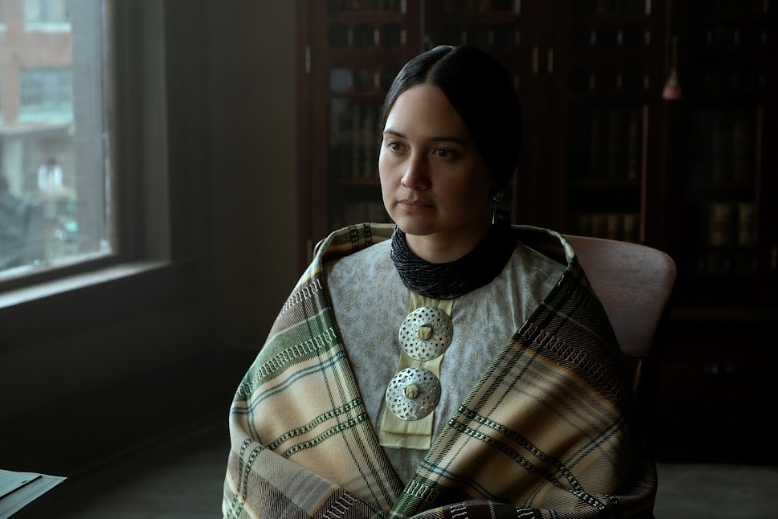
Loss, greed, grief — harrowing, is the word for the topic of the film.
Martin Scorsese delivers an epic tale revolving around the displacement of Indian Natives. And to ensure an authentic depiction of Indigenous life, Osage consultants were enlisted. This is commendable and smart, especially considering the fact that this film is made by a white filmmaker. This film also stars Scorsese’s constant collaborators Robert De Niro (William King Hale) and Leonardo DiCaprio (Ernest Burkhart).
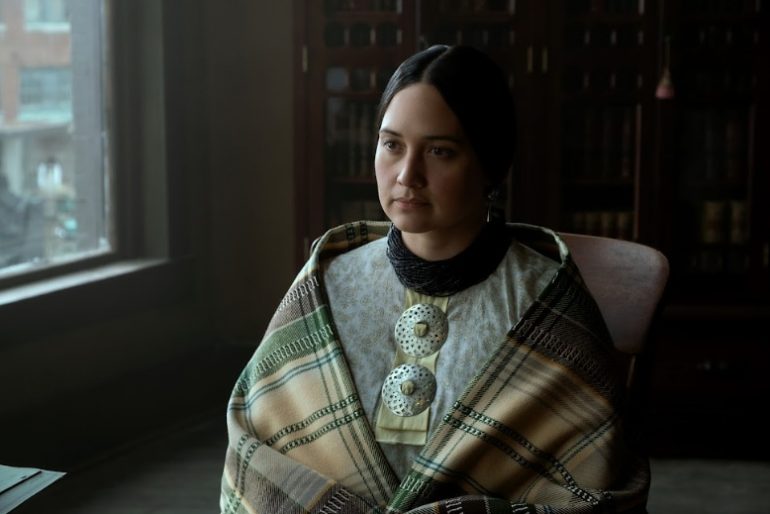
Despite these Hollywood big names, Lily Gladstone is the star. She portrays an Osage woman (Mollie Burkhart) who loses her family one by one, while watching her land get invaded by white men. Marrying one probably doesn’t make things any easier on her. DiCaprio attracts sympathy as the conflicted Ernest, who grows to genuinely love his wife Mollie, while remaining under the pressure of his uncle whose greed is causing death and destruction.
For a 206-minute movie (3 hours and 26 minutes), this movie is well-paced with ample room for it to breathe around its emotional and heart-breaking moments. Scorsese’s way of painting a picture of a scene brimming with life and passion of the Osage before ripping it all away in place of death and pain and helplessness definitely leaves an impact.
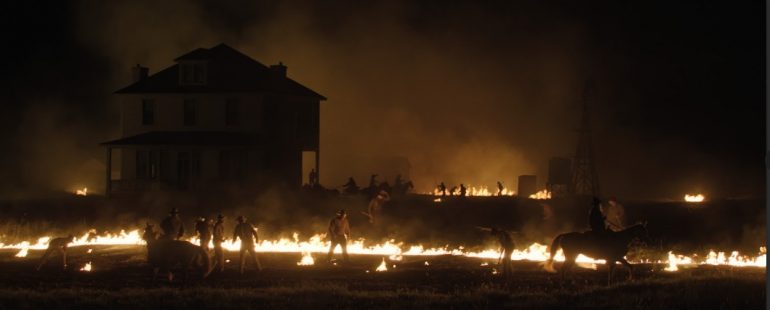
There is also a brilliant shot of a fire blazing through a window, which encapsulates the feeling of dread and hopelessness. So much is said without the usage of words, including the glances shared between Mollie and Ernest, and that is the power of film.
Be sure to catch this piece at your nearest theatre!
*Cover image via Paramount Pictures

