Asean struggles to escape US-China squeeze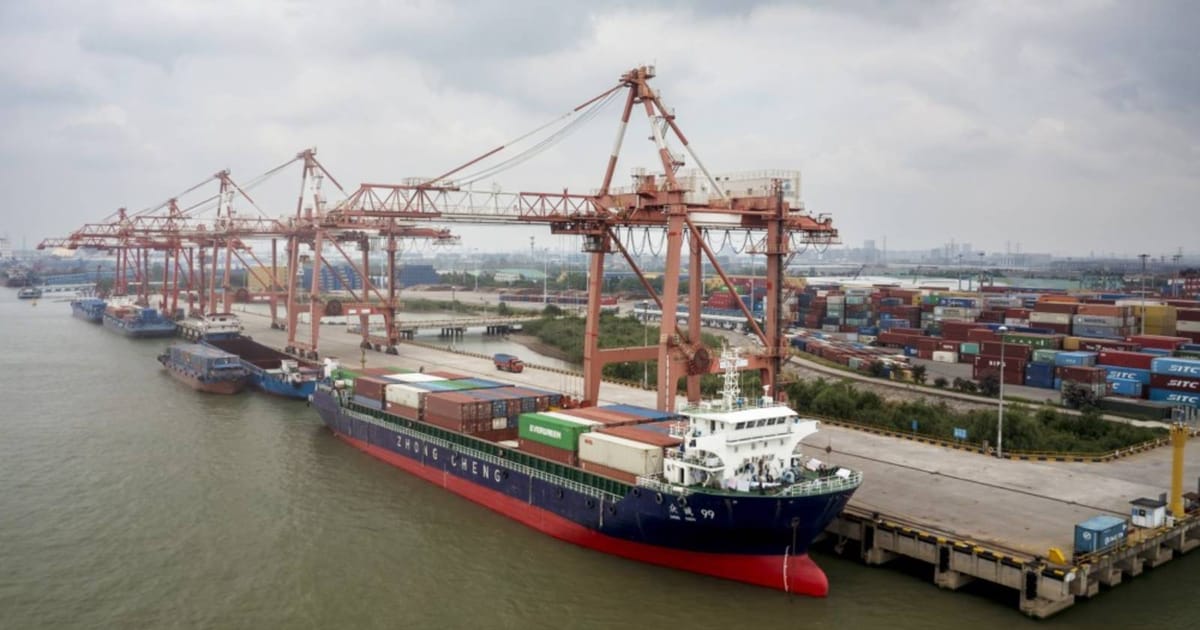

Southeast Asian nations are in a bind. While Asean exporters face increasing pressure from US tariffs and heightened scrutiny of transshipments, their domestic markets are increasingly being dominated by Chinese goods.
Alleviating the twin pressures will require a mix of defence and offense.
On the surface, relations between the US and Southeast Asian countries are improving.
President Donald Trump’s recent participation in the US-Asean summit produced four trade deals, as well as agreements with Thailand and Malaysia to diversify critical minerals supply chains.
However, America’s punitively high 40% tariffs on the loosely defined transshipment of Chinese goods clearly indicate that the Trump administration wants Asean economies to limit their participation in China-centric supply chains.
However, that’s a difficult ask.
Southeast Asian nations are an…