Can Warisan meet Chinese expectations in Sabah?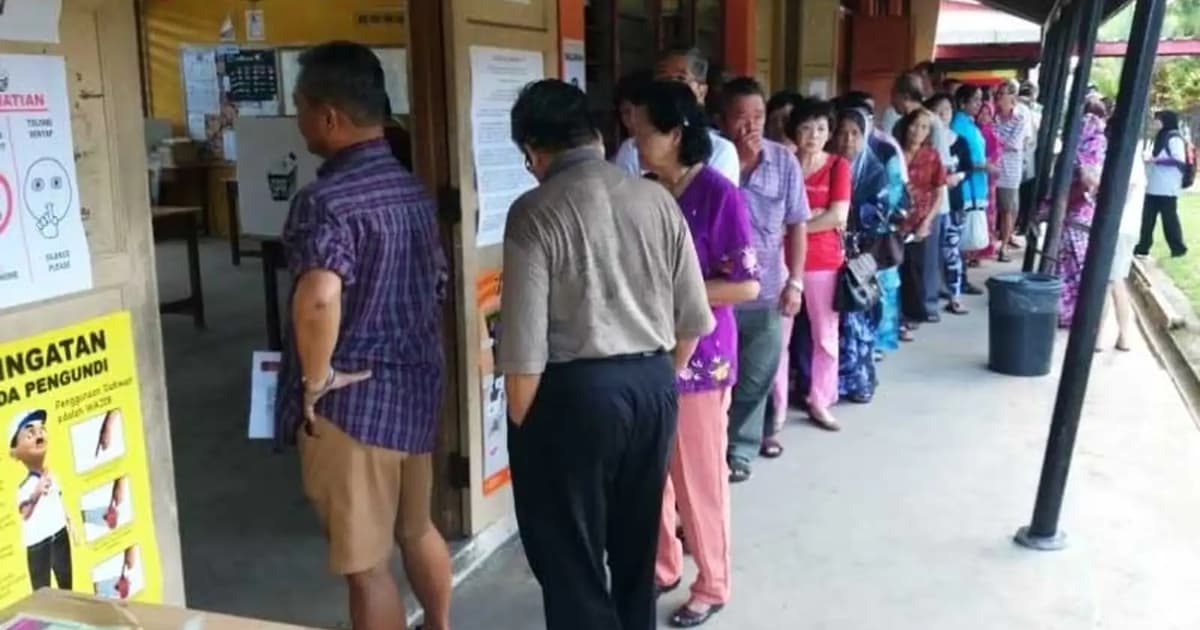
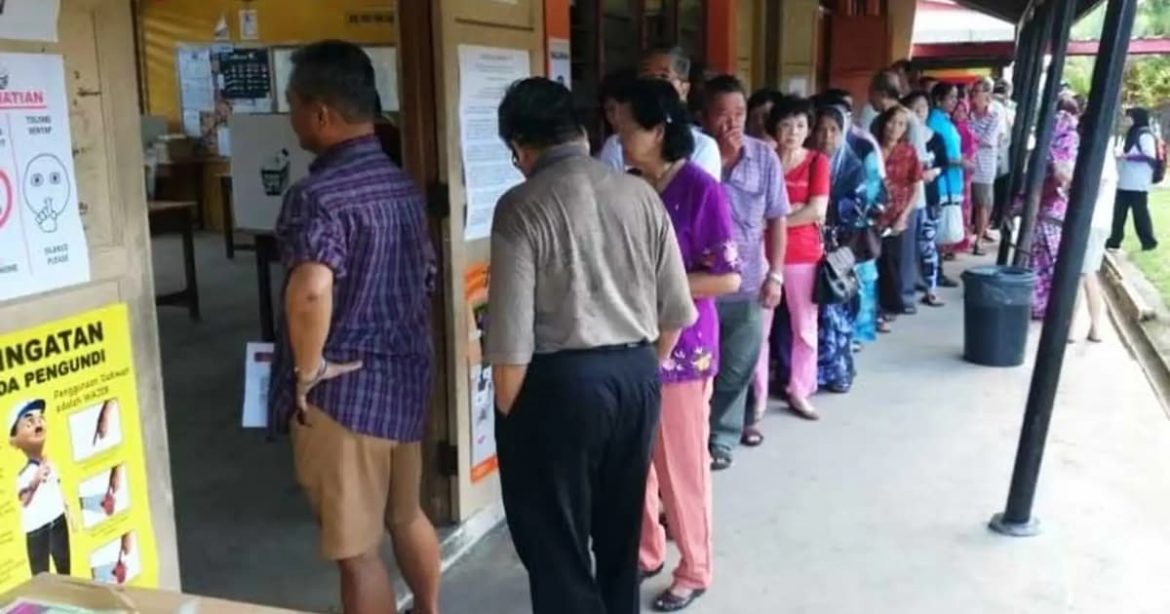

The 17th Sabah election last Saturday unveiled a new dynamic in Chinese voter support, one with the potential to reshape the state’s political trajectory.
Though not the largest community in the state, Chinese voters exerted significant influence in several urban and semi-urban constituencies that could have proved decisive.
At the outset, many anticipated that the Gabungan Rakyat Sabah (GRS)–Pakatan Harapan (PH) alliance would secure the state administration at the very least with a simple majority of 37 seats.
GRS was projected to secure about 25 constituencies, with PH expected to deliver the remainder as coalition partner. The actual election outcome, however, proved markedly different.
GRS secured 29 seats, while PH, contesting 22 constituencies, won only one — Melalap — far short of its early hopes of being kingmaker in the state government.
Following the election, voting patterns in urban areas with a Chinese majority came under scrutiny after a major swing in…