How China achieved innovation without freedom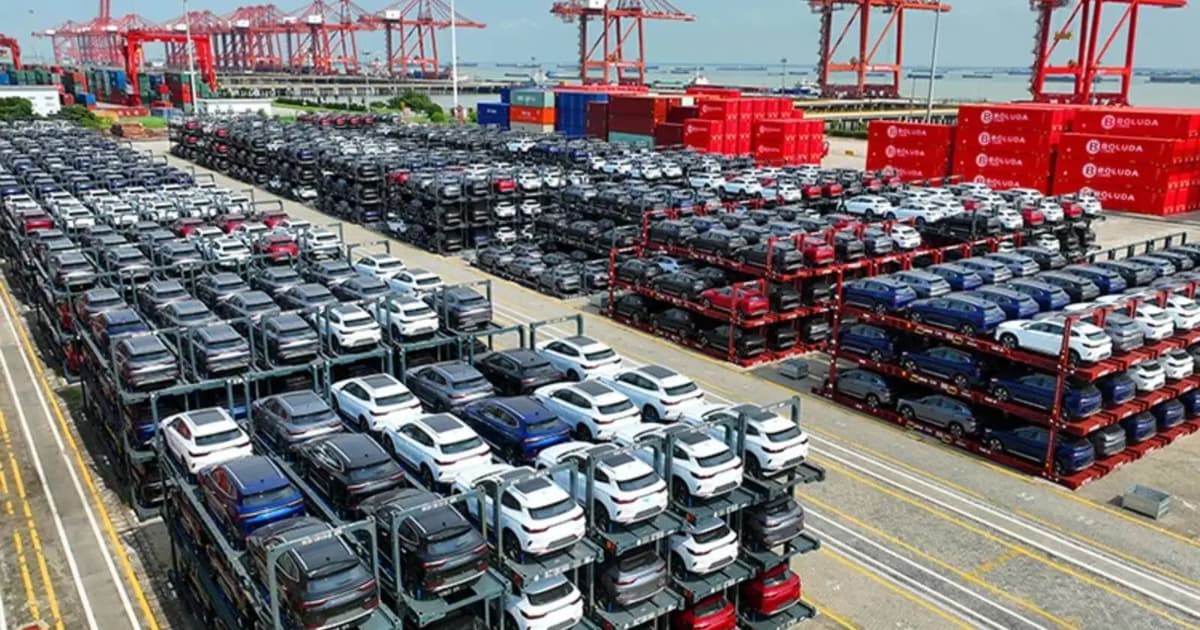
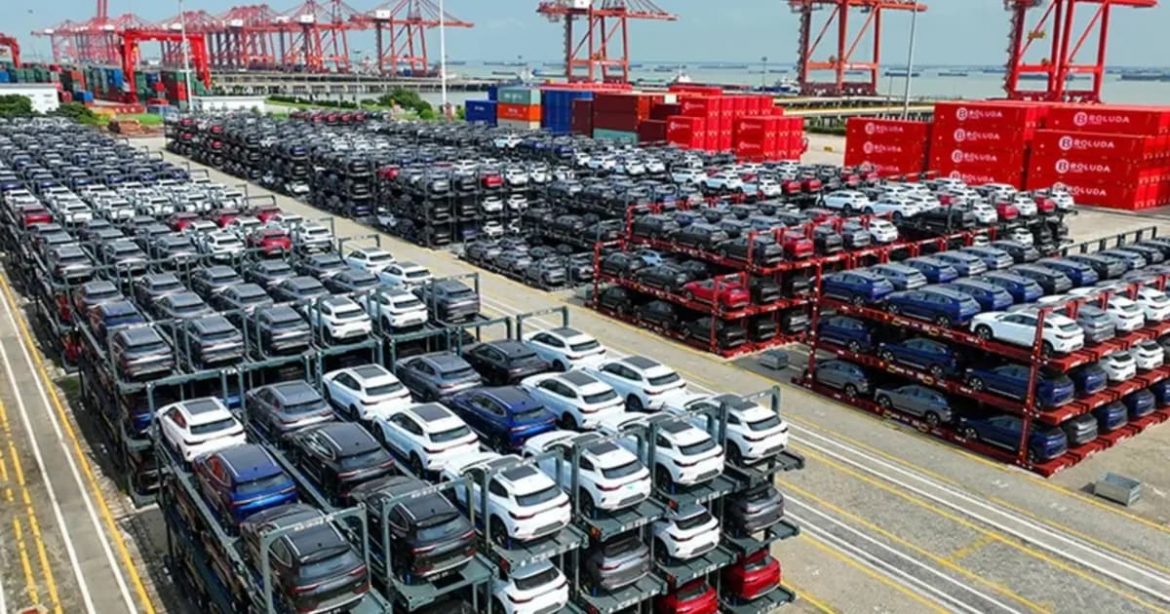

A decade ago, China’s government unveiled Made in China 2025 – a bold vision for transforming the country from the world’s assembly line into a global innovation leader. The plan was met with considerable skepticism, particularly in the West, where a robust scholarly consensus held that authoritarianism was fundamentally incompatible with innovation.
Furthermore, with a shaky technological base, middling universities, and a shortage of high-skilled talent, China was light-years behind the global frontier. Barring drastic political change, many observers concluded, China would remain a “copycat nation”.
We know how that prediction turned out. But the misguided belief that innovation depends on political freedom appeared to have a sound analytical and historical basis.
As the late political scientist Samuel Huntington observed in 1996, the tools that keep authoritarian regimes in power – such as censorship, repression, and corruption – naturally stifle innovation and…