It’s an unfinished system, not infrastructure, that fails Malaysian commuters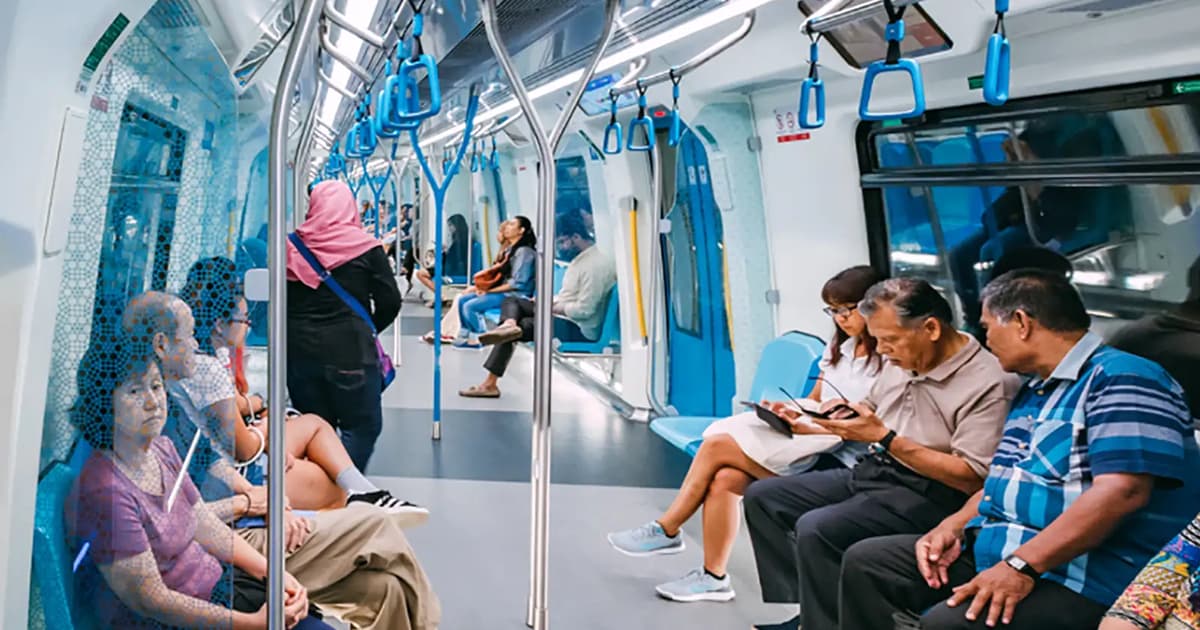

From Wan Agyl Wan Hassan
Malaysia does not suffer from a lack of transport ambition.
Over the past decade, it has built some of the most extensive rail and highway infrastructure in Southeast Asia, expanded its urban rail footprint, modernised airports, and connected regions long considered peripheral.
In physical terms, Malaysia has delivered the hardware of a modern transport system.
Yet for millions of Malaysians, mobility remains expensive, inconvenient, and dependent on cars.
Daily commutes are still shaped by congestion, long travel times, unreliable first- and last-mile connectivity, and the quiet pressure to own a vehicle simply to participate in urban life.
This gap between investment and lived experience explains why transport has become one of the country’s most persistent quality-of-life challenges.
What is often missed in this discussion is that the choice many Malaysians face is not strictly between public transport and private cars. For lower-income households in…