




Do these sound familiar:
“I’m so bad at everything,”
“I shouldn’t complain; others have it much worse,”
“Everything is my fault,”
“I’ll never be successful,”
“It’s not that bad. I’m overreacting.”
You could be gaslighting yourself without realising – and in the long run, self-gaslighting (or internalised gaslighting) is as dangerous as being gaslighted by an external party. But what is ‘self-gaslighting’, how do you recognise the signs and what do you do to stop yourself from self-gaslighting?
What is ‘self-gaslighting’?
‘Gaslighting’ happens when someone invalidates your feelings, your opinions and your point of view. They do this by saying things like: “you’re overreacting”, “you’re being sensitive”, or – if you’re a woman – the common one is “it’s ’cause you’re on your period/are acting this way because you’re on your period?”. Essentially, in gaslighting, someone else is dismissing your reality by making you doubt what you see and experience. This can happen in platonic relationships (be it with friends, family or colleagues) as well as in romantic relationships. Unfortunately, this can also happen in your relationship with yourself. That being said, self-gaslighting is when you undermine your own experience and feelings by suppressing and discrediting your own thoughts and emotions.
How does self-gaslighting affect you?
The scariest thing about self-gaslighting is that it can be difficult to realise you’re even doing it. After all, it’s your inner voice that’s negating your day-to-day experiences and that’s the one that’s in our heads 24/7; we often forget to check ourselves because we’re so used to the voice in our heads. But, when it becomes a habit, self-gaslighting can be incredibly damaging. Not only do you start to doubt every single one of your opinions and decisions, but it also chips away at your confidence, self-worth/ self-esteem and can affect your relationship with yours, causing you to isolate yourself from the world.

Everyday instances of self-gaslighting can be in dismissing and downplaying your appearance when someone compliments you, telling yourself that your achievement isn’t as big of a deal as it is or blaming yourself for the pain that someone else has caused you when it really isn’t your fault.
How do you stop gaslighting yourself?
Take a deep breath and ask yourself…
1. “Whose opinion is this, really?”
A lot of what we tell ourselves manifests from things we’ve had said to us. Whether said to you in fleeting, or as a sarcastic comment, they’re things you’ve likely heard before that – unfortunately – your subconscious has latched onto. This then tends to poison your thoughts and beliefs, causing you to lose sight of the truth. It’s important to root out the origin of these thoughts – be it something that was said to you by your parents, friends, ex, boss or a random “well-meaning” stranger. By identifying the origin of these intrusive, non-constructive, negativity, you’ll be able to better separate yourself from them.

2. “Would my friends talk to me this way?”
Now, it isn’t always possible to find the link for these self-deprecating thoughts. When this happens, try flipping the narrative. Would you say the same thing to someone you love? Be as kind to yourself as you are to the ones you love. In the same way that you forgive them for their mistakes, forgive yourself too! There are a few ways in which you can restructure the way you speak to yourself (and, at the same time, to those around you) and it all starts with recognising one’s own limitations and acknowledging that there is space for growth without needing to tear yourself down first.
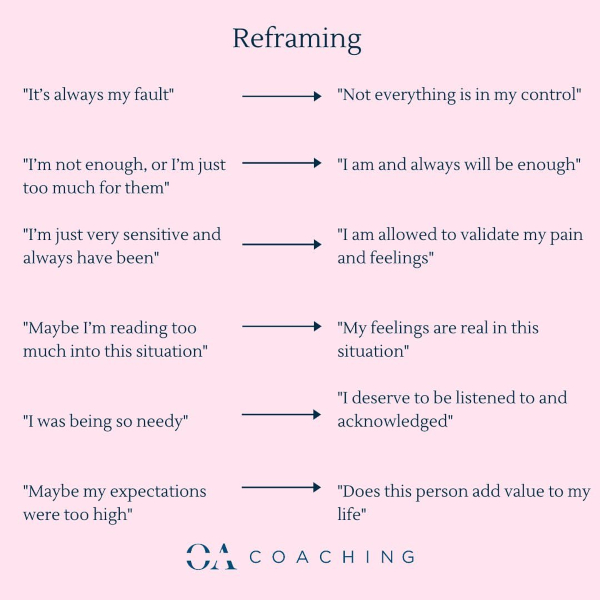
3. “If this thought/invalidation came from a person, what would I say to them?”
A psychotherapist on TikTok advised people living with anxiety to name their anxiety (i.e. after their ex, or the teacher they disliked in school) as a coping mechanism. The same can be applied to the negative thoughts that can manifest when self-gaslighting. In giving these thoughts a name, you are taking that thought and making it more tangible and giving it substance. This then will allow you to “push” the thoughts away, in the same way you’d be able to push a person away. You can also set boundaries around this “person” but telling them that they are wrong, that they cannot talk to you in that way and, by telling them to buzz off.

Remember…
When it gets really difficult, tell yourself:
• My emotions are valid and I have the right to feel them.
• I know what is happening to me and how it makes me feel.
• I know what circumstances are within my control and what things are not.
• I have the right to pursue my happiness.
And repeat as necessary. After all, there will be days where rooting out the reason for your negativity can be difficult – some days, you just feel and that’s okay. However, it’s important to not use the notion of “my feelings are valid” to dismiss the emotions of others and what they are feeling because that’s, in turn, gaslighting them. Both parties need a safe space to process and learn from experiences without being put down. What can help is talking to an objective party, like a friend you trust or a therapist. Your mental health matters and there is no shame in the healing game – voices that make you question your worth, value and if you should be loved need to be silenced because you are 10000% deserving of love and all the good there is in the world.

*Cover image credit: Instagram / @mirrorsreflectyou


Post comments (0)